All I Need: A Designer’s Embroidery Review
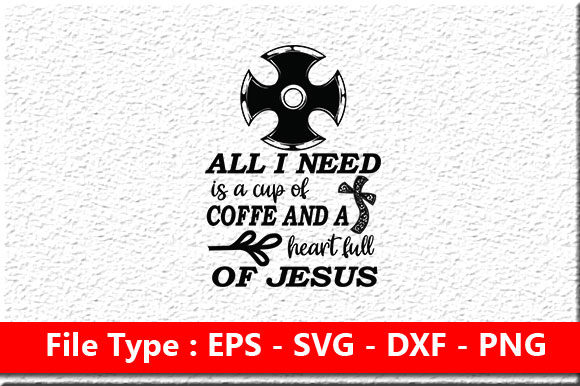
When evaluating a new machine embroidery design for my studio, I look past the digital preview and immediately imagine how it will behave under the needle. "All I Need" is a graphic that speaks directly to a specific niche of faith-based lifestyle products, combining the universal love of coffee with Christian sentiment. As a designer who creates both for personal enjoyment and commercial clients, my first impression of this artwork is that it balances warmth with clarity. The phrase "All I need is a cup of coffee and a heart full of Jesus" suggests a cozy, relatable aesthetic that performs exceptionally well on casual apparel and home goods. However, translating text-heavy graphics into thread requires careful consideration of legibility and fabric compatibility.
First Impressions and Visual Personality
The layout of "All I Need" feels organic rather than rigid. In the world of Crafts and Graphics, typography-driven designs can sometimes feel stiff, but this piece carries a hand-lettered or script-like quality that softens the message. This visual personality makes it ideal for projects that aim to feel personal and handmade rather than mass-produced. When I load an embroidery file like this into my software, I am looking for clean vector paths in the EPS or SVG formats that will digitize smoothly without excessive manual cleanup. The inclusion of DXF and PNG files also suggests versatility for those who might want to use the graphic for sublimation or vinyl alongside their embroidery work, which is a significant plus for mixed-media creators.
From a mood perspective, this design evokes comfort. It is not overly ornate, which means it avoids the trap of becoming visually muddy when stitched out at smaller sizes. The balance between the coffee imagery and the religious text allows for flexible placement; it could serve as a central chest design on a sweatshirt or a smaller accent on a tote bag pocket. For an Etsy seller or boutique owner, this duality increases the product's marketability across different seasons, from fall coffee shop vibes to year-round faith-based merchandise.
Real-World Application: The Custom Tote Bag Test
To truly judge the viability of "All I Need," I mentally placed it onto a canvas tote bag project I recently completed for a church women’s retreat. Tote bags are a staple handmade product, but they present unique challenges due to the coarse weave of canvas and the potential for puckering. In this scenario, I envisioned using the design as a primary focal point. Because the design relies heavily on text, stitch clarity is paramount. On a textured fabric like canvas, fine details can get lost. I would recommend utilizing a slightly heavier weight stabilizer and perhaps a topping to ensure the letters remain crisp and readable.
For this specific tote bag design application, the color palette matters immensely. While the digital file offers freedom, real-world stitching requires contrast. If embroidering on natural unbleached canvas, deep browns for the coffee elements and a rich navy or burgundy for the text would create necessary definition. Conversely, if using this for sweatshirt embroidery on a dark heather grey garment, cream or gold thread would be essential to maintain legibility. The design’s structure allows for easy color blocking, meaning you can adapt it to match seasonal trends or specific brand colors without losing its core identity.
Navigating Fabric Limitations and Hoop Sizes
While "All I Need" is versatile, it demands respect for technical limitations. Text-based designs are notoriously unforgiving on stretchy fabrics. If you plan to use this for baby onesies or lightweight knit tees, you must exercise caution. The combination of satin stitch lettering and potential fill stitches in the coffee graphic can cause distortion if the stabilizer choice is inadequate. For knits, a cut-away stabilizer is non-negotiable to prevent the design from warping after washing. Additionally, consider the hoop size. Cramming a multi-line quote into a 4x4 hoop often results in tiny, unreadable text. I strongly advise checking the minimum recommended dimensions before purchasing; this design likely shines best in 5x7 or larger hoops where the lettering has room to breathe.
Be mindful of curved surfaces as well. While this would make a lovely cap design, the horizontal span of the quote might exceed the usable stitch area of a standard hat frame. In such cases, you may need to modify the layout or select only a portion of the phrase. Similarly, avoid placing dense stitch areas over seams or thick layers, as this can lead to needle breaks or uneven tension. Always verify that your machine can handle the stitch count and field size associated with the specific version of the file you intend to use.
Commercial Value and Customer Perception
For creative entrepreneurs, the value of "All I Need" extends beyond aesthetics; it lies in its ability to drive engagement. Faith and coffee are two high-performing niches, and combining them creates a highly giftable item. When listing a finished product featuring this design, professional presentation is key. Use the included PNG files to create accurate printable mockup previews for your online store, but always supplement these with photos of actual stitched samples. Customers trust what they can see in thread form. Showing the texture and sheen of the embroidery builds confidence in your craftsmanship and justifies premium pricing.
Furthermore, consistency in your product line establishes brand recognition. If you sell custom apparel, using "All I Need" as part of a cohesive collection—perhaps paired with matching mug cozies or tea towels—can increase average order value. The design’s wholesome tone makes it appropriate for a wide demographic, from young mothers to retirees, broadening your potential customer base. However, always double-check licensing terms regarding commercial use. Ensure you have the right to sell physical items embroidered with this design, especially if you operate a high-volume craft business.
Essential Notes for Makers and Designers
Before committing "All I Need" to a final product, adhere to these practical protocols to ensure success:
- Test Stitch First: Never run a new design directly onto a sellable item. Test on scrap fabric that matches your final project’s weight and texture to check for registration issues or density problems.
- Verify File Compatibility: Although EPS, SVG, PNG, and DXF files are listed, confirm they convert correctly to your specific embroidery machine format (PES, DST, JEF, etc.) without losing detail.
- Check Thread Contrast: View your thread selection in natural light. What looks distinct on a backlit screen may blend together in physical thread. High contrast ensures readability from a distance.
- Assess Washability: If creating kitchen towels or baby items, test the durability. Satin stitches can snag, so ensure the design density is appropriate for frequent laundering.
- Review Licensing: Confirm whether the license covers commercial sale of finished goods versus digital redistribution. Protecting your business starts with respecting intellectual property.
- Evaluate Small Details: Inspect any intricate flourishes or small icons within the coffee or heart elements. If they are too small to stitch cleanly, edit them out or simplify them in your digitizing software.
Ultimately, "All I Need" is a charming and commercially viable asset for the modern maker. Its blend of spiritual encouragement and caffeine culture resonates deeply with current market trends. By approaching it with technical diligence and creative intentionality, you can transform this digital graphic into a cherished personalized gift or a best-selling boutique item. Remember that successful embroidery is a marriage of art and engineering; let your practical judgment guide your creative expression to produce results that honor both the design and the end user.