It's a Messy Bun and Jesus Kind of Day
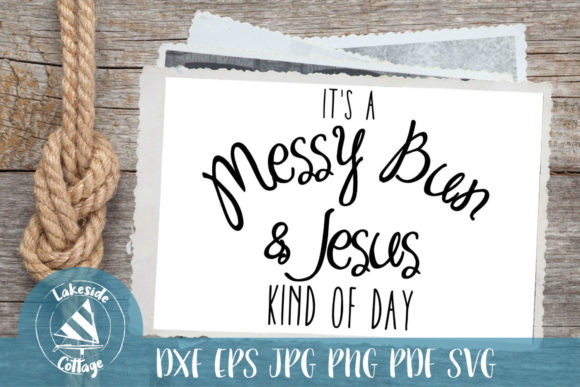
As an embroidery designer who has stitched out countless religious and lifestyle graphics, I approach every new machine embroidery design with a critical eye. When I first loaded "It s a Messy Bun and Jesus Kind of Day" into my software, I wasn't just looking at a cute graphic; I was evaluating its potential as a viable product for my craft business. This design captures a very specific cultural moment—the intersection of modern motherhood, faith, and the relatable chaos of daily life. For Etsy sellers and makers focusing on Christian apparel or gifts, this niche is incredibly potent. However, translating a digital graphic into a tactile finished product requires understanding how the artwork behaves under the needle.
First Impressions and Visual Personality
The immediate mood of this design is comforting yet humorous. It validates the stress of the user while offering spiritual reassurance. Visually, the layout typically balances the organic, chaotic lines of a messy bun illustration with structured typography. As a reviewer, I look for this balance because it dictates stitch flow. The "Messy Bun" element usually relies on dynamic running stitch or light fill areas to simulate hair texture without creating a bulletproof patch of thread. Meanwhile, the phrase "Jesus Kind of Day" often utilizes cleaner lettering that anchors the composition.
For those working in the Crafts category, this design serves as more than just decoration; it is a conversation starter. The visual personality feels authentic rather than manufactured, which is crucial for building customer trust. When I evaluate Graphics for embroidery, I check if the sentiment reads clearly from a distance. In this case, the hierarchy works well. The religious aspect is prominent but gentle, making it suitable for both personal wear and boutique merchandise without feeling overly aggressive.
Real-World Application: Stitching a Gildan Sweatshirt
To truly test this embroidery file, I applied it to a real-life scenario: creating a custom crewneck sweatshirt for a client who wanted a gift for her church small group leaders. Sweatshirts are a staple for custom apparel, but their fleece backing and stretch can be tricky. I chose a 4x4 hoop placement on the left chest, as this size maintains intimacy appropriate for the message.
During the stitch-out, I paid close attention to the transition between the bun illustration and the text. On a fleece substrate, small details can get lost. I found that using a tear-away stabilizer combined with a water-soluble topping was essential to prevent the fabric texture from poking through the stitches. The result was a soft, wearable piece of art. My client’s reaction confirmed what I suspected: this design resonates emotionally. It wasn't just a logo; it was a shared experience of faith and fatigue. For small shop products, this emotional connection is what drives repeat sales and positive reviews.
Navigating Fabric Textures and Hoop Limitations
While this design shines on sweatshirts and cotton tees, it requires careful consideration when applied elsewhere. If you are planning tote bag design projects, be mindful of canvas weave. A loose weave can distort fine lines in the bun illustration. I recommend testing on scrap fabric first to ensure the stitch density is sufficient to cover the gaps without causing puckering. For tote bags, a slightly heavier stabilizer is often necessary compared to apparel.
I would advise caution when attempting this design on highly textured fabrics like terry cloth towels or ribbed knits unless you have verified the digitizing includes adequate underlay. Similarly, for baby embroidery or lightweight onesies, you must check the total stitch count and density. Heavy designs can weigh down thin fabric and cause discomfort. Always perform a sew-out on a similar weight scrap before committing to a delicate garment. Regarding hoop size, avoid shrinking this design below its intended minimum. Reducing size compresses satin columns and can make the lettering illegible or cause thread breaks. If you need a smaller version for a pocket or sleeve, seek a specifically digitized mini version rather than resizing the master file.
Commercial Viability for Makers and Sellers
For the Etsy seller or creative entrepreneur, "It s a Messy Bun and Jesus Kind of Day" offers significant commercial potential. It fits perfectly into current trends for mom-life merch and faith-based accessories. However, professionalism separates hobbyists from businesses. Before listing any handmade product featuring this design, verify your licensing terms. Ensure you have the right to sell physical embroidered items versus digital files. Customers value transparency, and respecting intellectual property builds long-term brand equity.
When creating printable mockups or listing photos, show the design on realistic blanks. Because this is a relatable, lifestyle-oriented design, flat lays or photos of real people wearing the item perform better than sterile digital renders. Highlight the texture of the embroidery. Buyers want to see that the satin stitch borders are smooth and the fill stitch areas aren't too dense. High-quality presentation signals that you understand your craft. This design also works beautifully for holiday embroidery or Mother’s Day collections, providing a seasonal revenue stream beyond everyday sales.
Technical Notes for Optimal Results
Even the best digital embroidery file needs operator expertise. Here are my practical notes for stitching this specific design:
- Thread Color Contrast: Test your palette on both light and dark fabrics. White text on a white sweatshirt looks elegant but requires perfect tension. Dark text on navy offers high readability but may lose subtle shading details in the bun.
- Stabilizer Selection: Match your stabilizer to the fabric, not just the design. Stretchy knits need cut-away support; woven cottons can often use tear-away. Never skip stabilizer to save money; it compromises the professional finish.
- Needle Choice: Use a sharp needle for woven fabrics and a ballpoint for knits to prevent fabric damage around the detailed edges of the messy bun.
- Mockup Testing: Before stitching, view the design in black and white within your software. This reveals contrast issues that color might hide. If the text blends into the background in grayscale, it will likely struggle visually in thread form.
- Licensing Check: Confirm whether the included SVG and embroidery files allow for commercial use on finished goods. Documentation protects your business.
Elevating the Finished Product Value
Ultimately, "It s a Messy Bun and Jesus Kind of Day" succeeds because it speaks a specific language to a dedicated audience. Whether you are creating a personalized gift for a friend having a hard week or stocking your online store with faith-based apparel, the execution matters as much as the sentiment. A poorly stitched design undermines the message of peace and order it seeks to convey.
By treating this embroidery project with technical respect—testing densities, choosing appropriate substrates, and honoring licensing—you transform a simple graphic into a premium commercial embroidery asset. The goal is for the recipient to feel the care in every stitch. When the craftsmanship matches the heart behind the words, you create a product that customers cherish and return for. Take the time to sample, adjust, and perfect your process. Your reputation as a maker depends on these details, and this design deserves nothing less than your best work.